IV Sand World. Third Story

Measuring the World
Measuring the World is a novel by German-Austrian author Daniel Kehlmann, published in 2005.
The novel is considered one of the most remarkable achievements in German postwar literature. It is a fictitious double biography of magical realism.
Magic realism is a style of literary fiction and art, in which magical, fantasy-filled elements are depicted in a realistic, predominantly detail-accurate style and context. Thus, Kehlmann has undertaken two young German scientists of the 18th century, Alexander von Humboldt and Carl Friedrich Gauss, and, based on their vital facts, has written a fantasy-rich double biography, in which it is very difficult to distinguish between the author's thoughts and what actually happened.
The novel “Measuring the World” is interesting in terms of creativity, both by its nature and in comparison of two geniuses. At the end of the 18th century, these two young Germans set out to measure the world. One of them, Alexander von Humboldt, wanders through the primeval forest, tastes poison, crawls in caves, climbs volcanoes, meets sea monsters and cannibals. Another of them, mathematician and astronomer Carl Friedrich Gauss, unable to live without women, even gets out of bed on his wedding night to write down a formula that suddenly popped into his head, observes the celestial objects with a telescope in Göttingen and proves, without leaving home, that the space is curved.
In the novel, the author describes with profound humour the lives of two scientists and their balancing between genius and ridiculousness. The book has also been published in Estonian and deserves to be read.
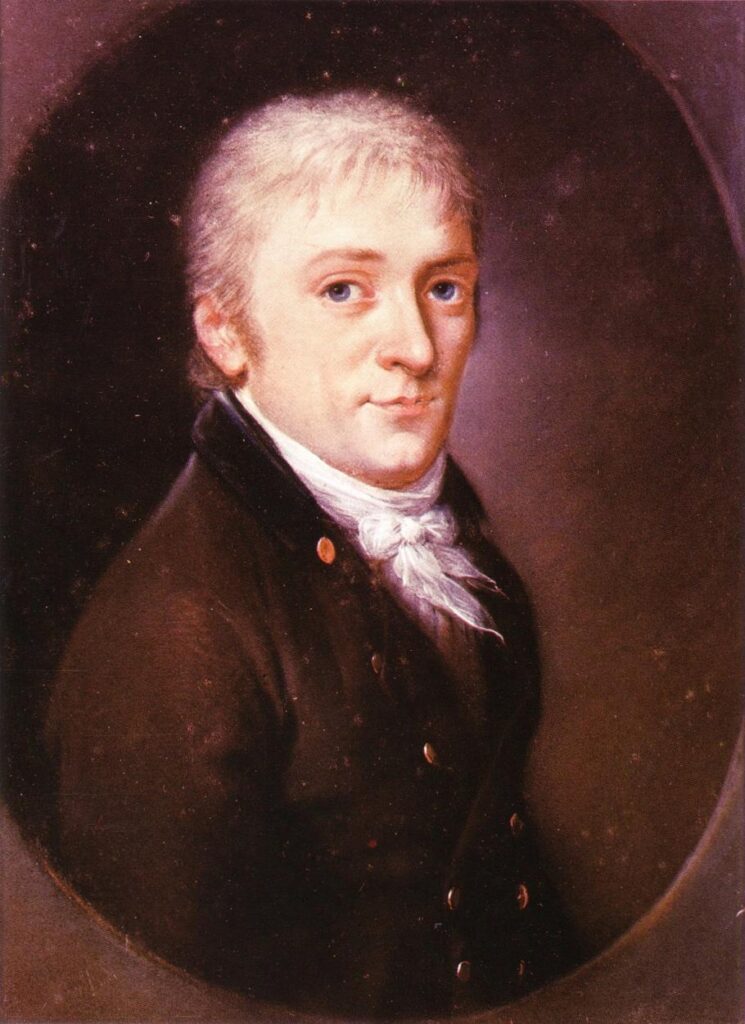
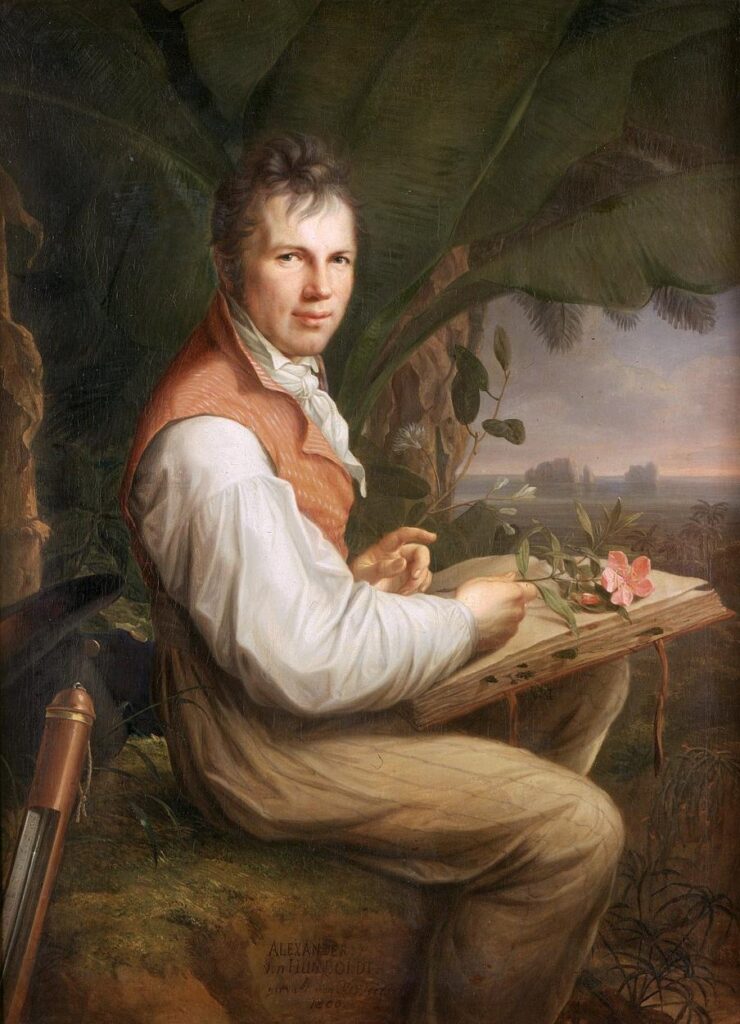
Did you know, that...
The brain of prodigy Johann Carl Friedrich Gauss, like Albert Einstein, was preserved after death and has been researched repeatedly to trace genius. So far, unfortunately, to no avail.
„Genius is one percent inspiration and ninety-nine percent perspiration. “
Thomas A. Edison
 English
  Estonian