V Swing World. Third Story

Yamaha and piano
When you think of creativity and music, one of the composers and his or her creation will inevitably be the first things that come to mind, but creativity is connected to the creation of music in all its areas. Imagine being a piano producer in the 1980s. Your company has consistently strived to become the leading producer of high-quality pianos. At the moment you reach 40% of the global piano market, overall demand for pianos starts to decline by 10% every year. What do you do?
It was in this situation that the leaders of Yamaha found themselves. They looked into the market. A piano is a piano. Around the world, in living rooms, concert halls and rehearsal halls, there were about 40 million pianos, and for the most part just standing and gathering dust. They had become pieces of furniture. In this situation, improving quality will not help. The piano industry was in decline, and any strategically minded manager would have opted for an exit.
Yamaha managers decided otherwise. They took a hard look at their customers and the everyday life of already sold pianos. They realised that dust-gathering pianos were often out of tune, and instead of making beautiful music, they caused their owners a sense of guilt. To change the situation, it was necessary to create value to the millions of pianos that stood silently by the wall.
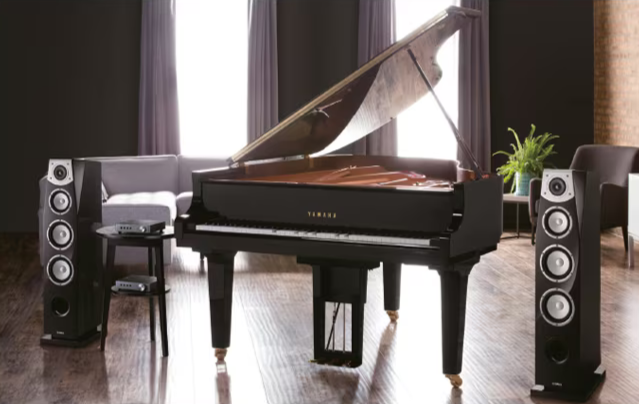
What Yamaha did was to remember the old player piano invented 100 years ago. It was now necessary to focus on the quality of the sound and the additional opportunities they could offer. In 1987, Yamaha came up with a new product, Disklavier. The term Disklavier is a clever combination of the words disk (as in floppy disk) and Klavier, the German word for keyboard. At the time that the Disklavier was introduced, recordings were stored on 3 ½ inch floppy disks. The typical Disklavier is a real acoustic piano outfitted with electronic sensors for recording and electromechanical solenoids for player piano-style playback.
The dust-gathering item became an entertainer that helped bring world-class artists into owners homes. The declining market was turned to a rise and more importantly, additional demand was generated. Now that the pianos play the way world-class performers may do, the owners want their instrument tuned to professional standards. That means a tuner visits every six months. New demand also emerged for the recordings.
What did the Yamaha leaders do?
They took a close look at what was happening on the market. Looked into everyday life of their music-loving customers and searched for a solution that would add value to those customers. You can't always go on doing the same thing a little better, sometimes the solution is hiding in the past.
“I sometimes wonder if music doesn't lie. The music has an inherent ability to shed light on the performer, so no shadows can be seen. The music ennobles the performer. Afterwards, it turns out that a performer is like everyone else, an ordinary person, even though he or she has been given the ability to make sounds that can take to another reality.”
Käbi Laretei
 English
  Estonian